The Witcher Game Guide 2025 – Best Tips & Tricks for Gameplay
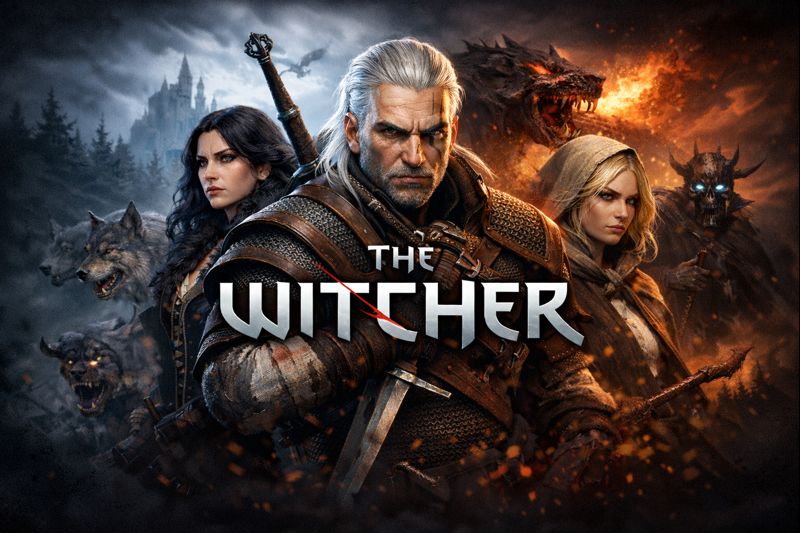
The Witcher is one of the most iconic RPG (role-playing) games ever made. Known for its deep story, mature themes, and breathtaking world, it continues to capture the hearts of gamers around the world even years after release. Players step into the boots of Geralt of Rivia—a professional monster hunter—as they explore a fantasy world full of danger, mystery, and magic.
GameOverview of The Witcher
The Witcher is an action role-playing game developed by CD Projekt Red and first released in 2007 for PC. It’s based on the popular fantasy novels by Polish author Andrzej Sapkowski. Over time, the franchise has grown into a global hit, with sequels (The Witcher 2: Assassins of Kings and The Witcher 3: Wild Hunt) and a Netflix series adaptation.
- Genre: Action RPG
- Developer: CD Projekt Red
- Publisher: Atari / CD Projekt
- Platforms: PC, PlayStation, Xbox, and Nintendo Switch (for later titles)
- Mode: Single-player adventure
The game focuses on moral choices, sword combat, alchemy, and exploration, offering players a mature and story-driven experience unlike any other RPG.
The Witcher Gameplay Guide
In The Witcher, you play as Geralt of Rivia, a skilled swordsman who hunts monsters for a living. The gameplay combines fast-paced combat, potion brewing, magic signs, and meaningful dialogue choices that shape the story.
- Combat: Players use two swords—steel for humans and silver for monsters.
- Alchemy: Create potions, oils, and bombs to gain advantages in battle.
- Magic (Signs): Simple yet powerful spells like Igni (fire) or Aard (telekinetic blast).
- Choices Matter: Every decision affects how characters react and how the story unfolds.
Your main objective is to complete quests, defeat enemies, and uncover the secrets behind Geralt’s mysterious past.
Key Features
- Deep and branching storylines with moral choices.
- Real-time combat with both swordplay and magic.
- Immersive dark-fantasy world with rich lore.
- Alchemy system for crafting potions, bombs, and oils.
- Dynamic day-night cycle and realistic environments.
- Multiple endings based on player decisions.
- Upgradable skills and abilities for unique playstyles.
Tips & Tricks to play The Witcher
- Prepare Before Combat: Always apply oils to your swords and drink potions before tough fights.
- Use Both Swords Wisely: Silver for monsters, steel for humans—switching at the right time makes a big difference.
- Explore Everything: Side quests often contain valuable items and lore.
- Experiment with Signs: Each magic sign can be used creatively, like stunning enemies with Aard or burning them with Igni.
- Save Often: Choices can lead to unexpected results; saving frequently can save you trouble.
- Upgrade Smartly: Focus on skills that suit your playstyle—swordsmanship, alchemy, or magic.
- Talk to Everyone: NPCs may provide hidden quests, clues, or useful items.
Best Setting for Smooth Gameplay
To get a lag-free and immersive experience, use these recommended settings:
- Resolution: 1080p or higher for clarity.
- Graphics Quality: Medium to High (for balance between visuals and FPS).
- Frame Rate (FPS): 60 FPS for smooth performance.
- Anti-Aliasing: On (reduces jagged edges).
- V-Sync: On (prevents screen tearing).
- Mouse Sensitivity: Adjust to your comfort; many players prefer slightly lower sensitivity for precision combat.
For older systems, turning off motion blur and lowering shadows can significantly improve performance.
How to Improve Combat and Aim in The Witcher
Unlike shooting games, aim in The Witcher refers more to timing, positioning, and attack precision. Here’s how you can get better:
- Practice Combo Timing: Click attacks rhythmically when the sword flashes for stronger combos.
- Dodge and Roll Often: Staying mobile helps you avoid heavy hits.
- Use Signs Strategically: Stun enemies with Aard or trap them with Yrden before striking.
- Study Enemy Patterns: Every monster has weaknesses—learn their attack patterns and plan accordingly.
- Train in Arena or Small Fights: Practice with low-level monsters to perfect your timing and reactions.
Mostly Asked Questions
Is The Witcher an open-world game?
The first Witcher is semi-open-world, but The Witcher 3 is fully open-world with massive exploration areas.
What are the minimum system requirements?
You’ll need at least 8GB RAM, an Intel i5 processor, and a mid-range GPU for smooth gameplay.
Can you use mods in The Witcher?
Yes! Many community-made mods enhance graphics, gameplay, and quality of life features.
How long does it take to finish The Witcher?
It takes around 40–50 hours for the main story and over 100 hours if you explore side quests.
Is The Witcher connected to the Netflix series?
Yes, both are based on the same books, but the game tells its own version of Geralt’s story.
Conclusion
The Witcher is a masterpiece that blends storytelling, strategy, and immersive gameplay like no other RPG. Whether you’re playing it for the first time or returning to relive Geralt’s adventures, this guide will help you get started and make the most of your journey.
Visitor Recommended:Mecha Break